01
SBR
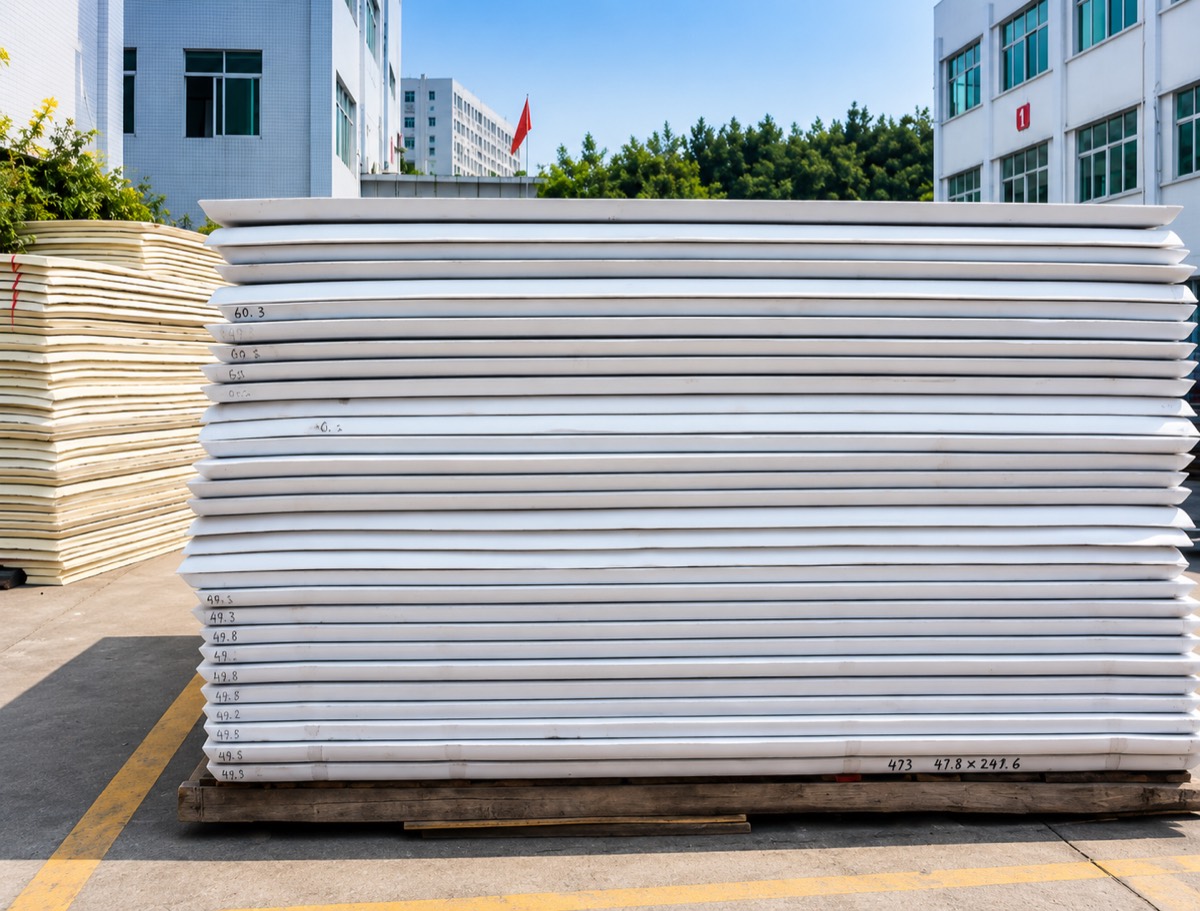
The popular choice for cost-sensitive OEM products. SBR is the most economical neoprene option for projects where cost and basic cushioning matter most.
Composition
Styrene Butadiene Rubber (SBR)
Rubber Compounding Ingredients
Neoprene Material Support
Choose the right neoprene material by cost, flexibility, durability and final product use.
Material selection affects comfort, stretch recovery, sewing performance, water resistance and product cost. Huatop helps OEM buyers compare SBR, SCR and CR before sampling and bulk production.
Material Types
Start with the base material composition, then choose thickness, laminated fabric and surface finish for the finished product.
The popular choice for cost-sensitive OEM products. SBR is the most economical neoprene option for projects where cost and basic cushioning matter most.
Styrene Butadiene Rubber (SBR)
Rubber Compounding Ingredients
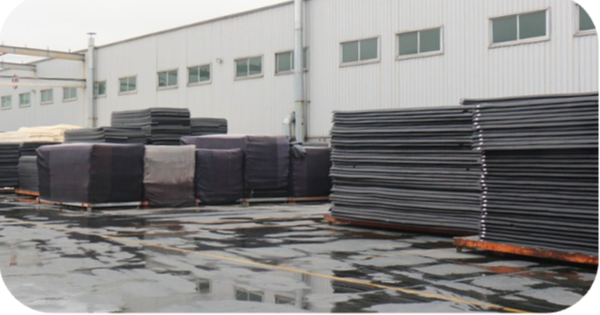
A balanced choice between cost and performance. SCR blends SBR and CR to improve flexibility, recovery and durability while keeping pricing practical.
Styrene Butadiene Rubber (SBR)
Chloroprene Rubber (CR)
Rubber Compounding Ingredients
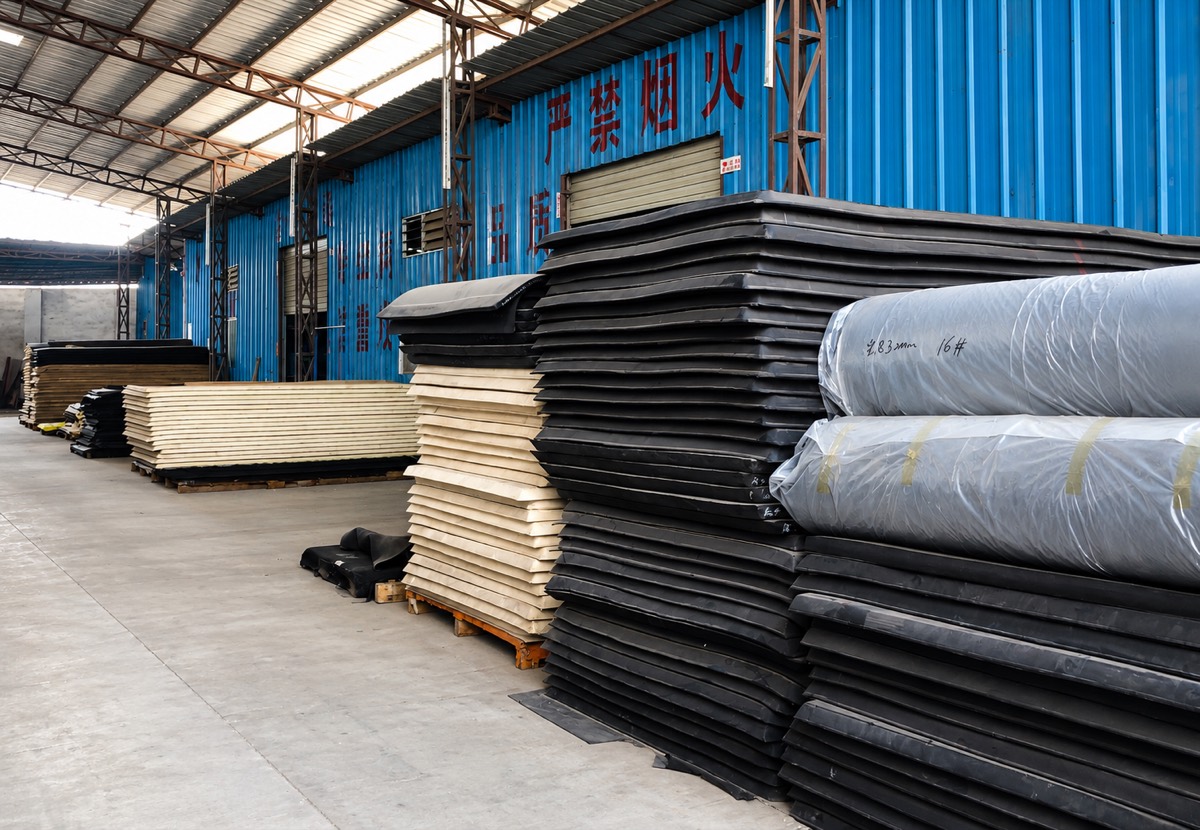
The premium neoprene material. CR is selected for projects that need stronger flexibility, durability and better water or outdoor resistance.
Chloroprene Rubber (CR)
Rubber Compounding Ingredients
Recycled Material Options
Recycled neoprene options can support sustainability-focused OEM projects while keeping key sponge properties clear for buyer review.
Suitable when the project needs recycled positioning with practical cost control and basic sponge performance.
Better suited for projects that require improved strength, lower water absorption and premium recycled material positioning.
Neoprene Material Guide
Compare SBR, SCR and CR before sampling, quotation and production.
| Material | SBRBudget choice | SCRBalanced choice | CRPremium choice |
|---|---|---|---|
| Full Name | Styrene Butadiene Rubber | Styrene-Chloroprene Rubber | Chloroprene Rubber |
| Main Composition | Styrene Butadiene Rubber (SBR) + Rubber Compounding Ingredients | Styrene Butadiene Rubber (SBR) + Chloroprene Rubber (CR) + Rubber Compounding Ingredients | Chloroprene Rubber (CR) + Rubber Compounding Ingredients |
| Sponge Color | Black, Cream, Aqua, White | Black, Cream | Black, Cream |
| Softness & Flexibility | ★★★☆☆ | ★★★★☆ | ★★★★★ |
| Thermal Insulation | ★★★☆☆ | ★★★★☆ | ★★★★★ |
| Compression Recovery | ★★★☆☆ | ★★★★☆ | ★★★★★ |
| Tensile & Tear Strength | ★★★☆☆ | ★★★★☆ | ★★★★★ |
| Water Resistance | ★★★☆☆ | ★★★★☆ | ★★★★★ |
| Weather / UV / Ozone Resistance | ★★☆☆☆ | ★★★☆☆ | ★★★★★ |
| Oil Resistance | ★★☆☆☆ | ★★★☆☆ | ★★★★★ |
| Typical Cost | $ | $$ | $$$ |
How to Choose
Start with product positioning and usage frequency, then confirm thickness, fabric lamination and surface treatment.
Splitting & Lamination Process
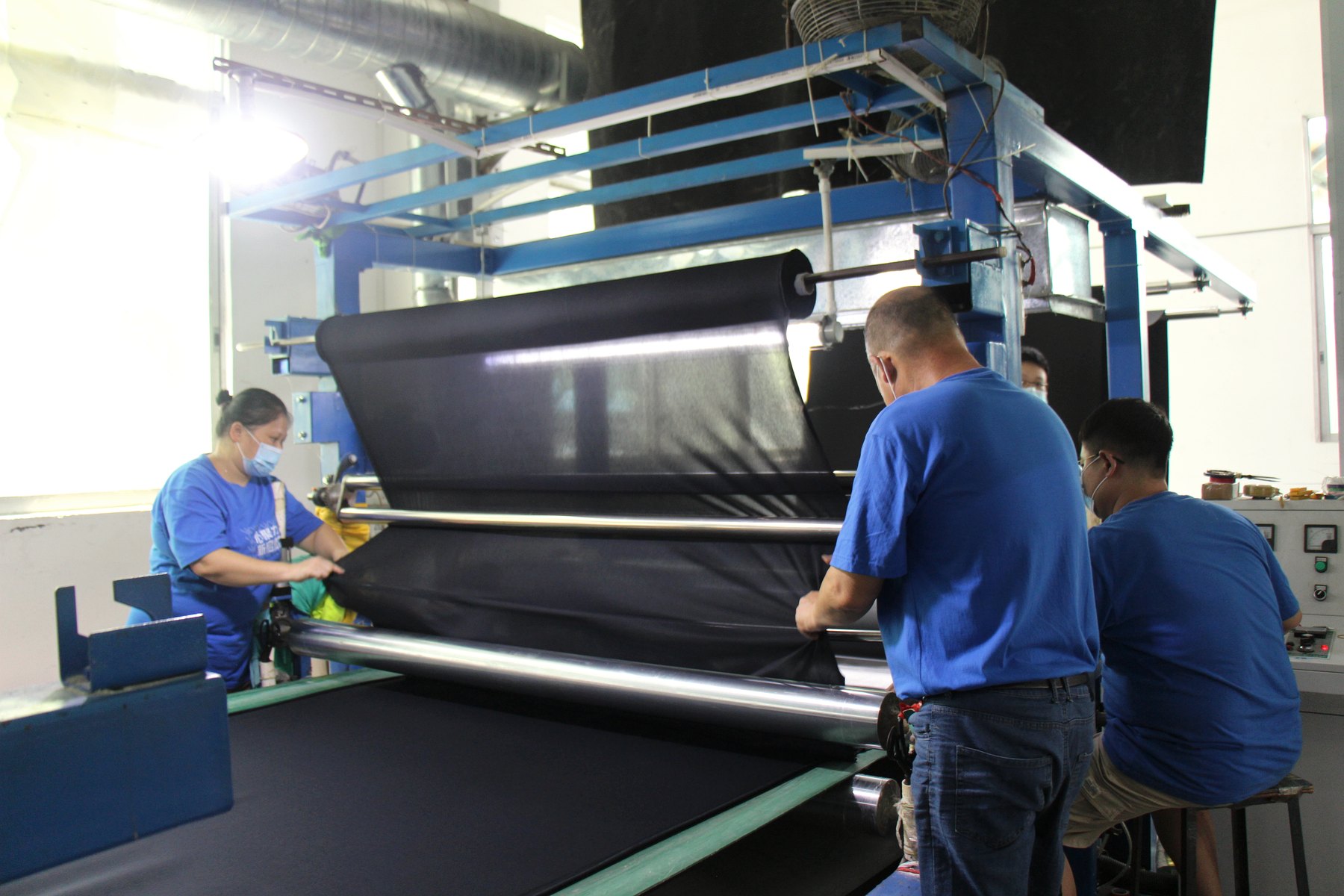
After material selection, sponge blocks are split into sheets, then laminated with fabric according to the final product requirement.
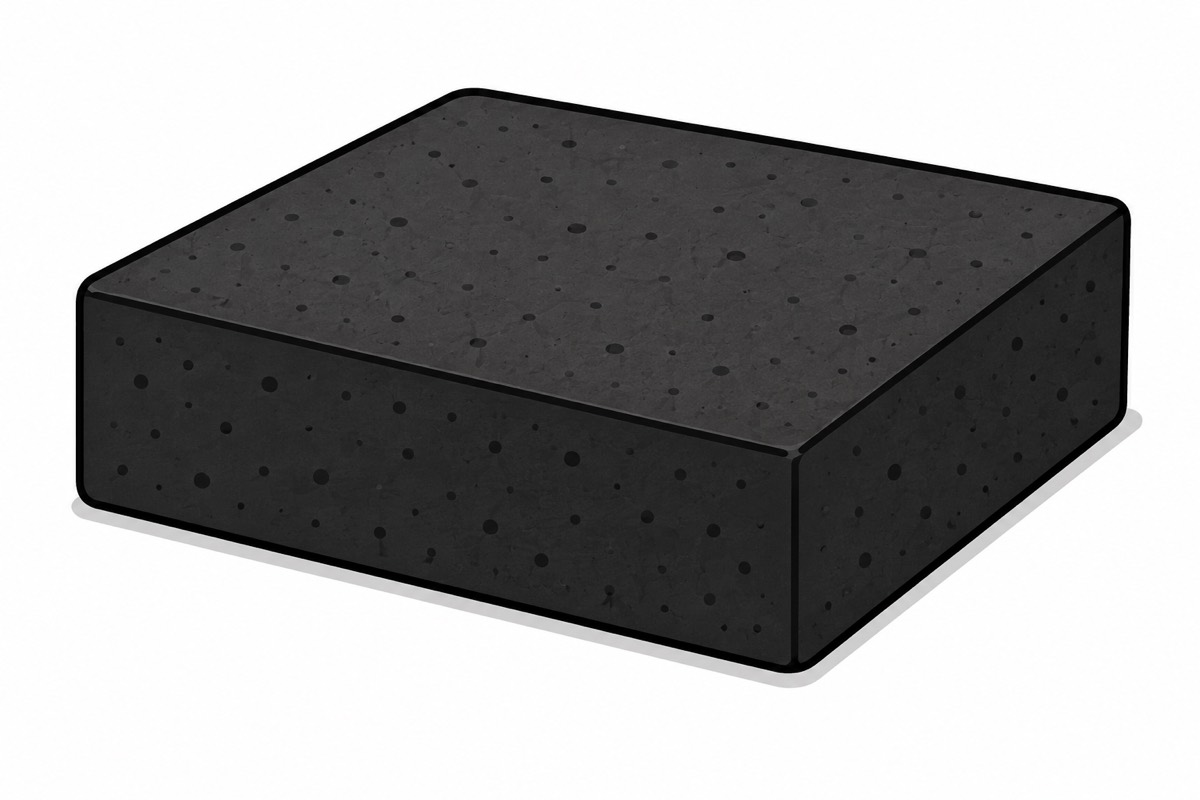
Start with SBR, SCR or CR sponge blocks in the required size, color and density for the project.
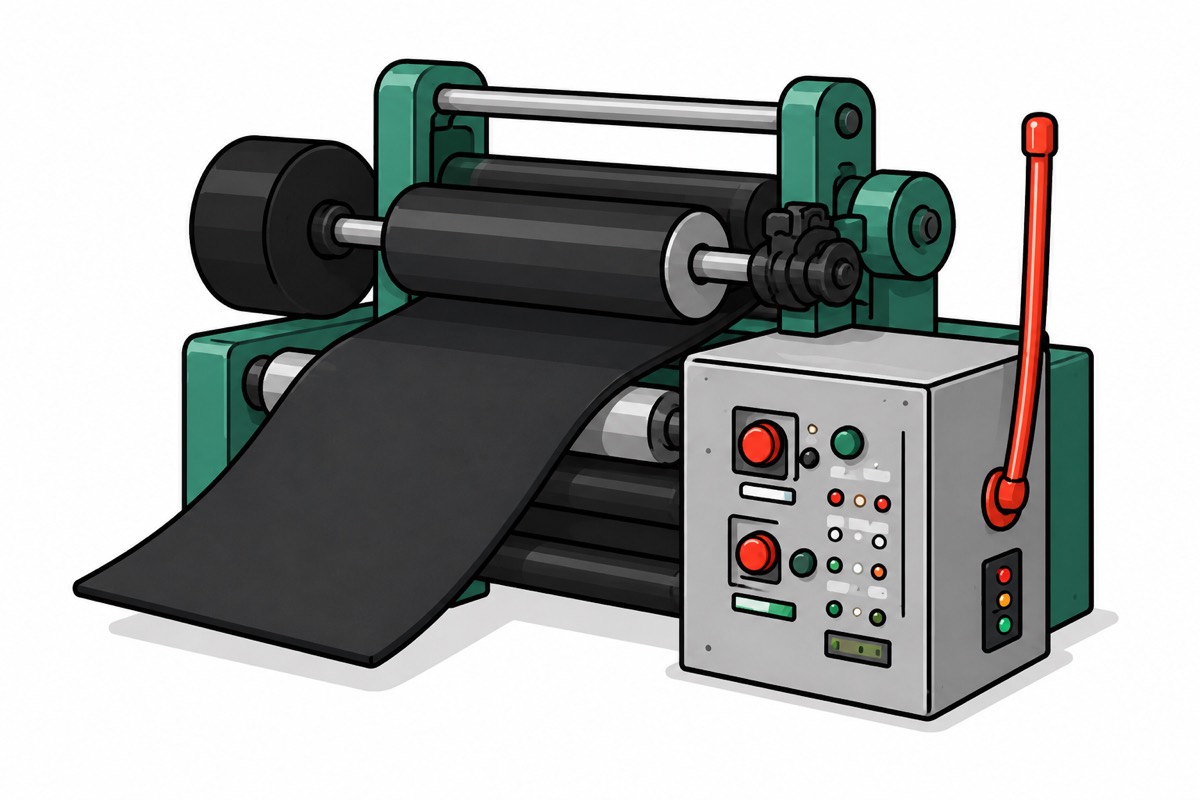
The sponge block is split into controlled thickness sheets for wetsuits, bags, supports or other neoprene products.
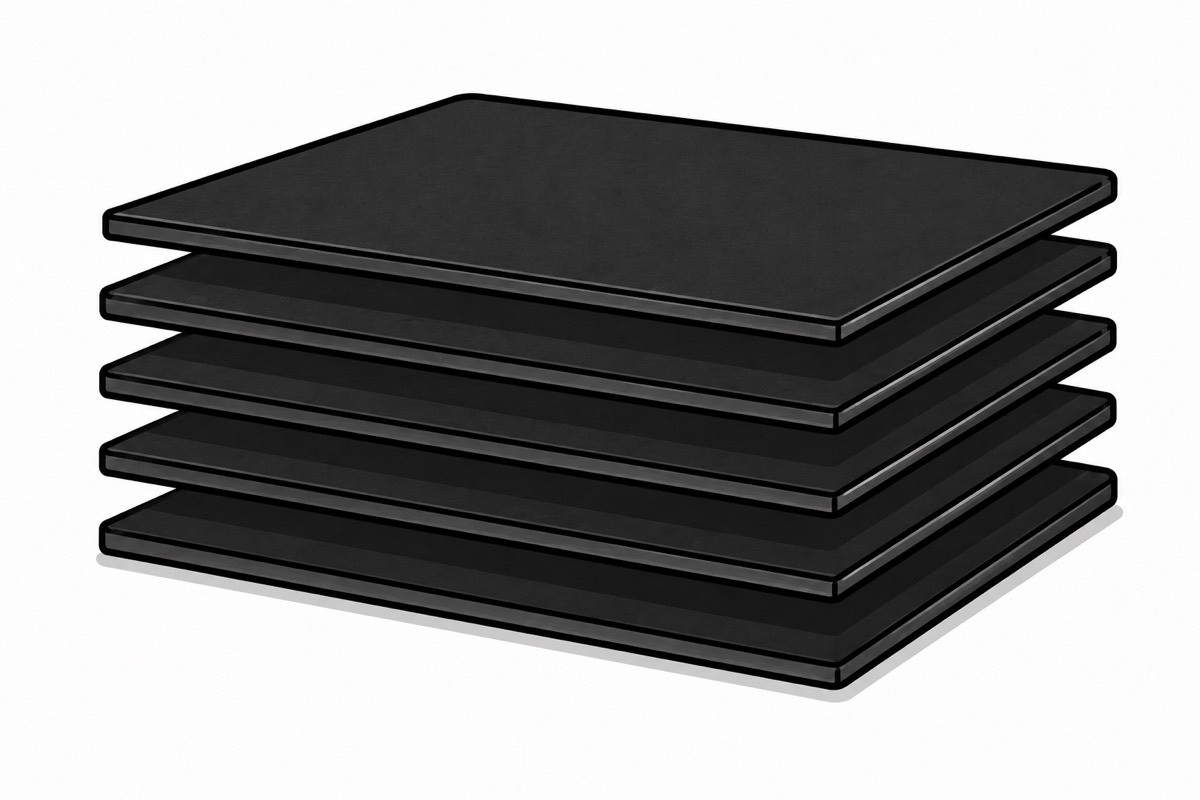
Sheets are checked for thickness, surface condition and consistency before entering the lamination process.
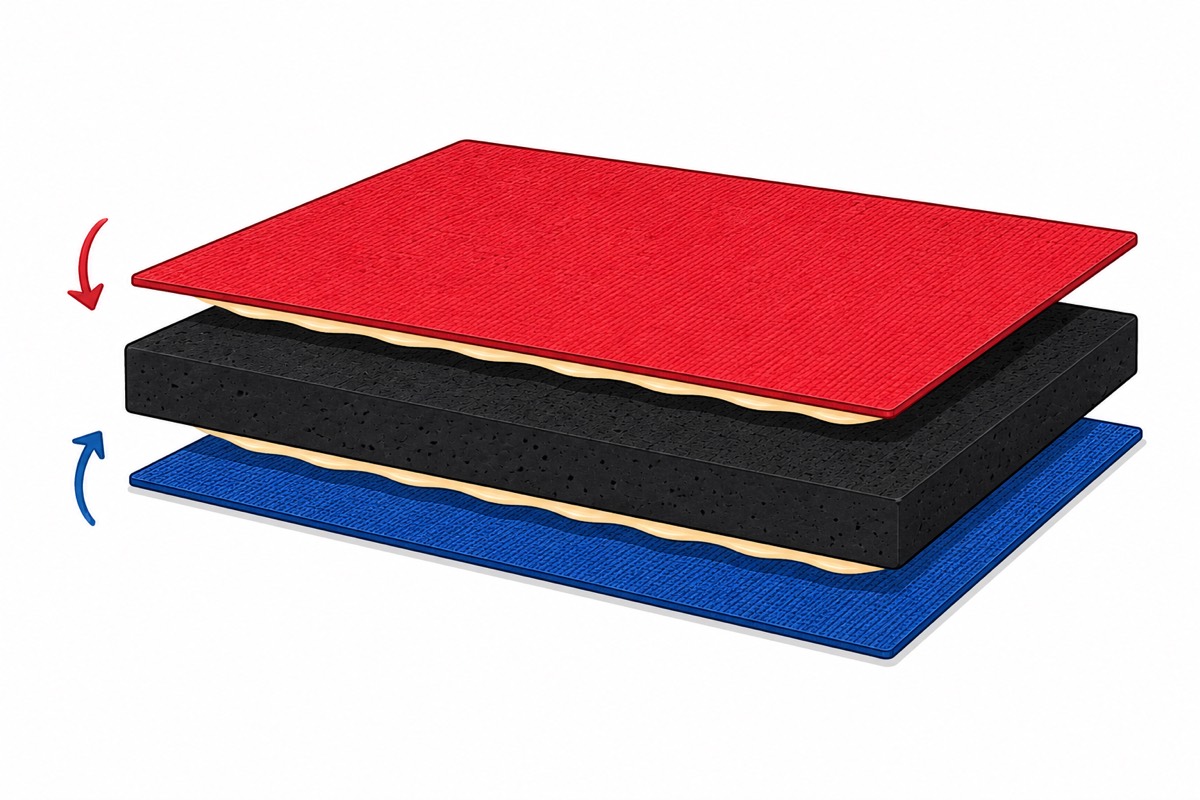
Nylon, polyester, jersey or other fabrics are matched with the sponge and adhesive system for one-side or two-side lamination.
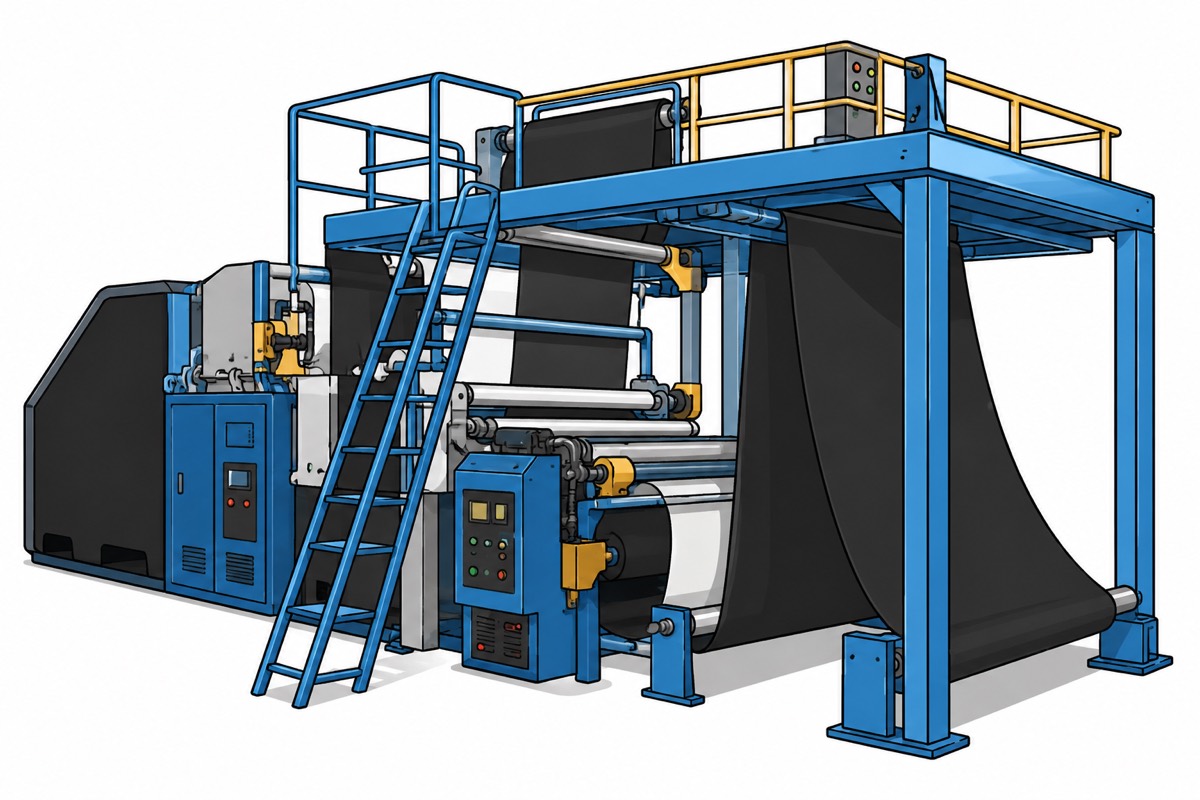
The machine bonds fabric to the neoprene sheet under controlled tension, pressure and alignment.
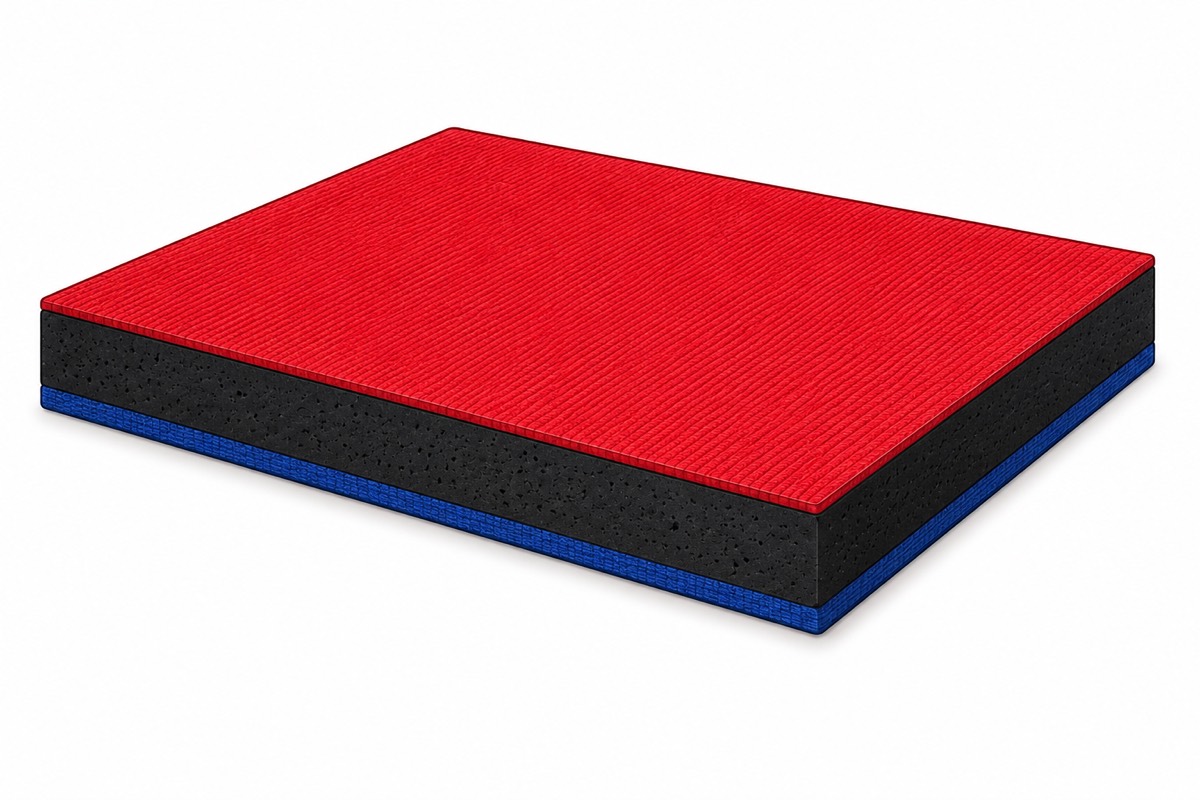
The laminated material is ready for cutting, printing, embossing, sewing or further product manufacturing.
Surface Finishing Options
After splitting and lamination, surface finishing can improve function, appearance and brand presentation for finished neoprene products.
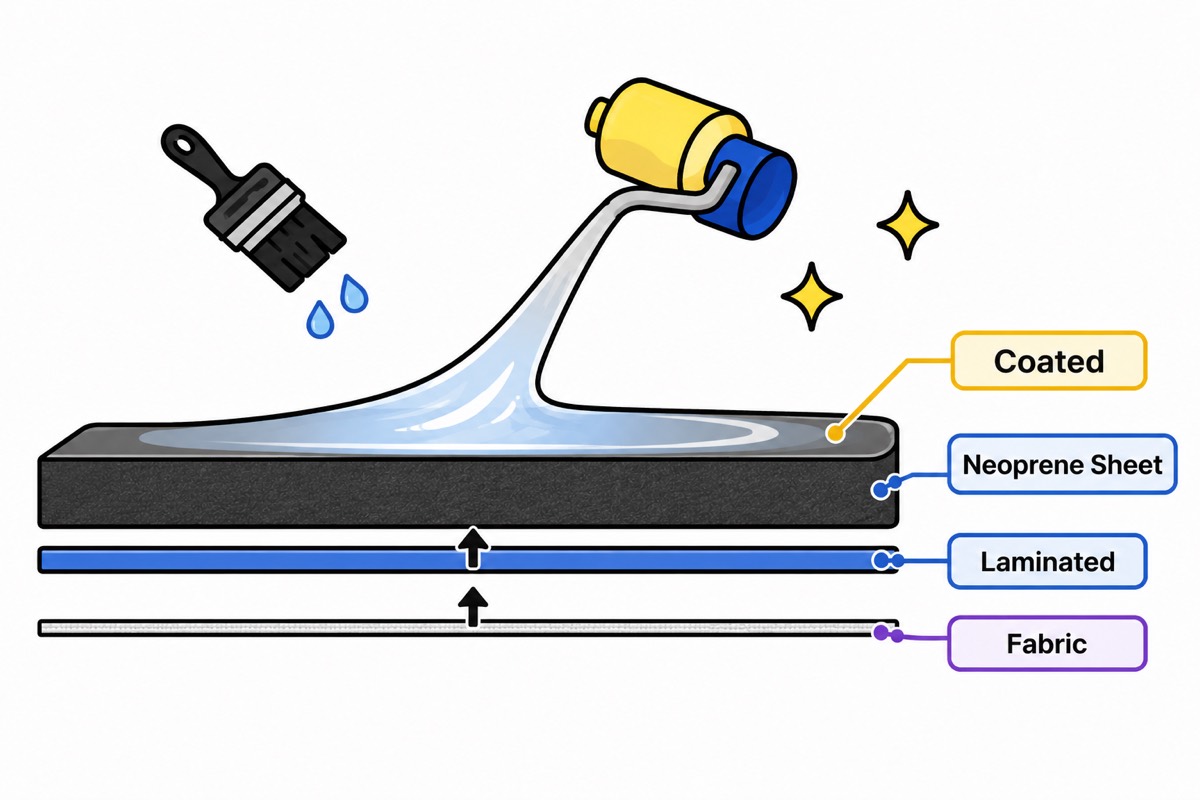
Adds a protective coating for improved water resistance, abrasion resistance and durability.
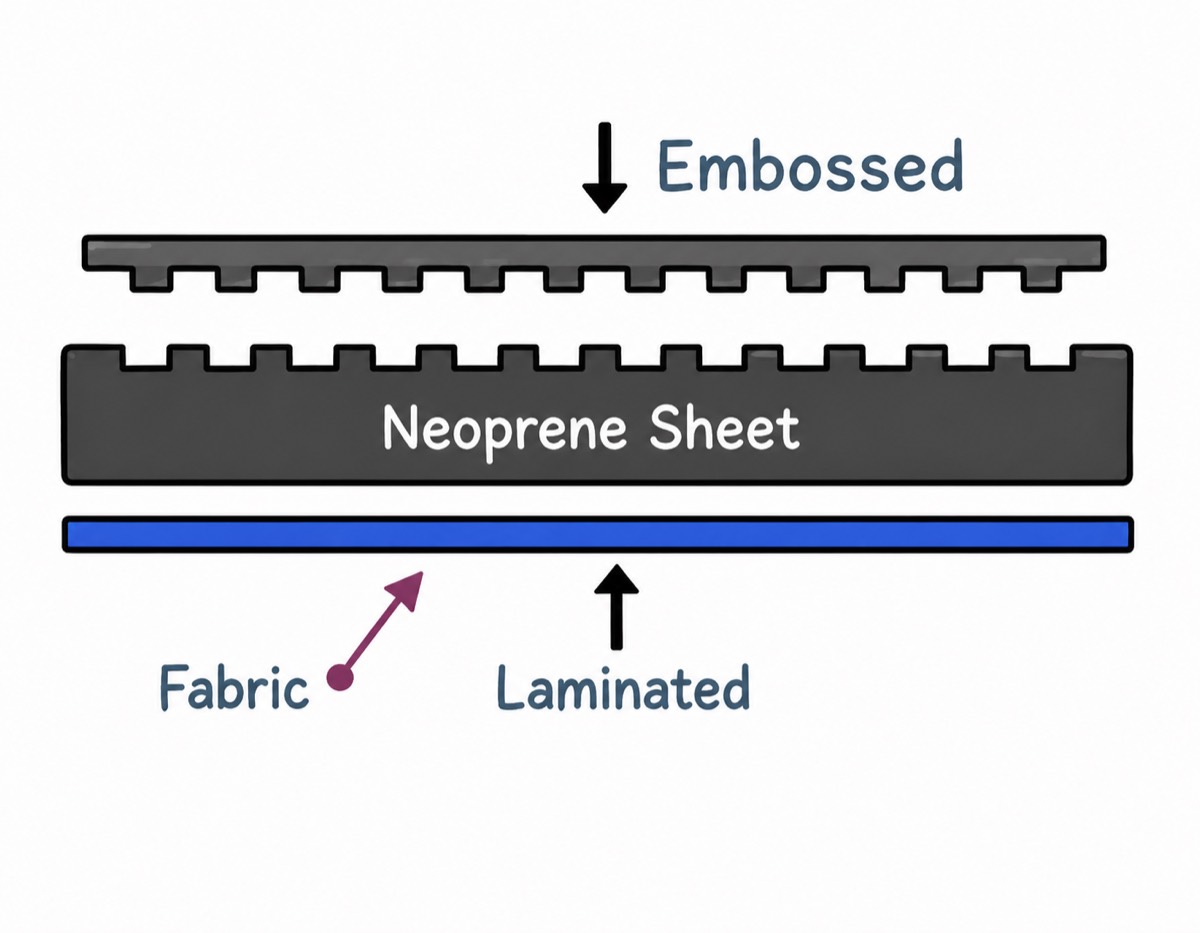
Creates decorative surface textures to enhance appearance, grip and product recognition.
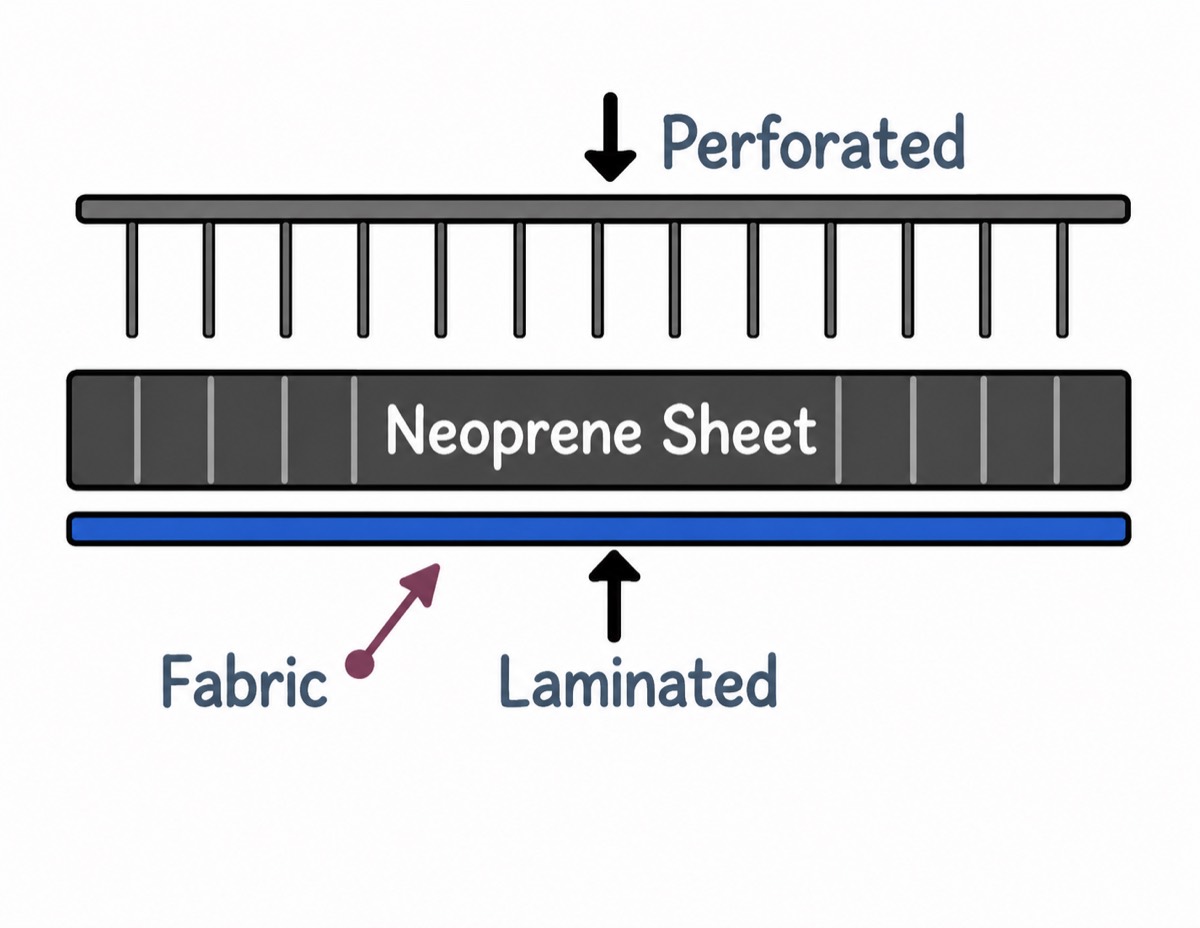
Laser or mechanical perforation improves breathability and helps reduce material weight.
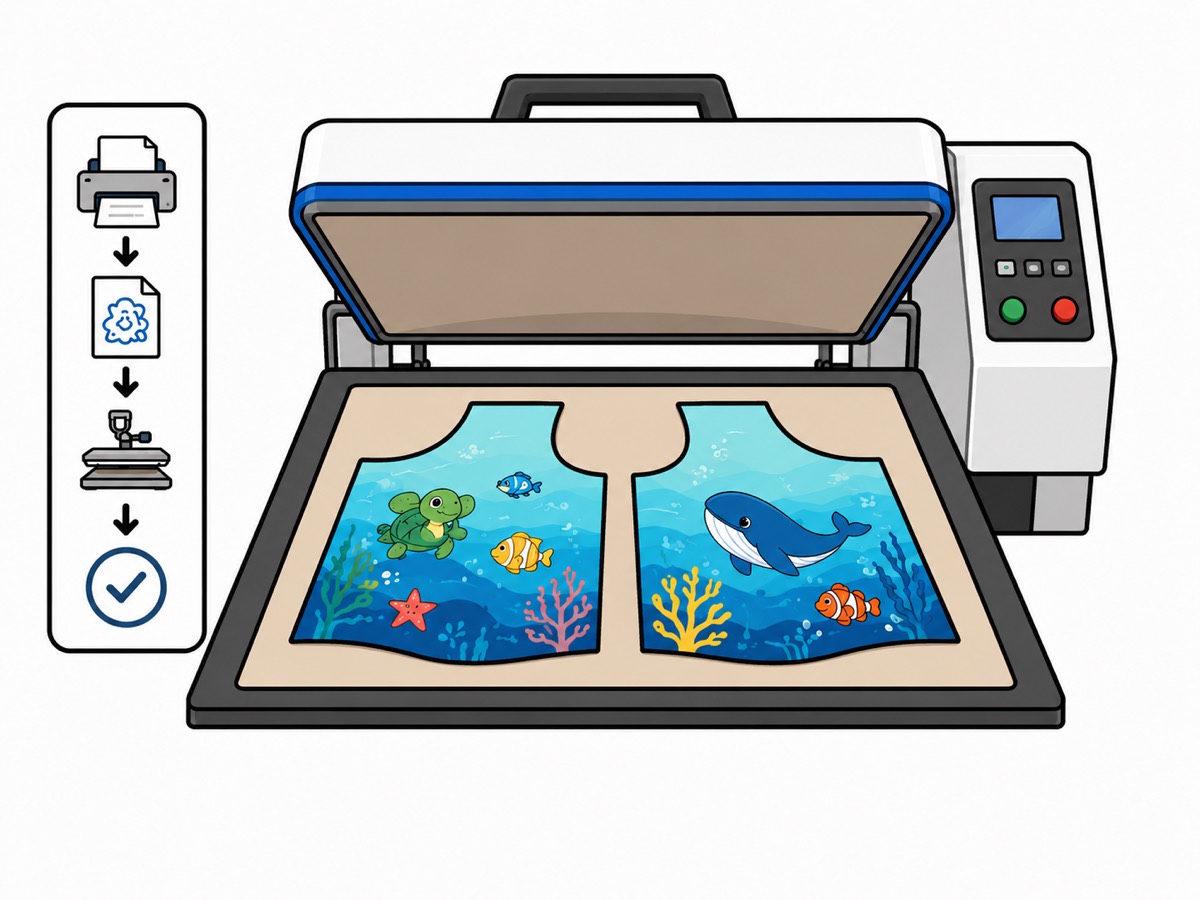
Supports silk screen, sublimation and heat transfer for logos, patterns and OEM branding.
Specification Planning
After choosing SBR, SCR or CR, confirm the exact specification for the finished product and production method.
Product Compliance Testing
For OEM projects, neoprene sponge and laminated materials can be prepared for third-party testing according to the target market and product category.
Testing requirements depend on the final product, application, age group and destination market. Huatop can support material selection and sample preparation before bulk production.
Supports EU buyer requirements for substances of very high concern under Regulation (EC) No. 1907/2006.
Used when buyers require RoHS 2.0 restricted substance checks for selected product programs.
Relevant for U.S. consumer products, especially children-related items that require lead and phthalate control.
Can be checked against German ZLS / ZEK PAH requirements when requested by European buyers.
Migration of certain elements testing for toy-related or child-contact product applications.
Material Flow
The workflow focuses on material selection before cutting and finished product production.
Confirm finished product type, target thickness, hardness and surface fabric.
Select SBR, SCR or CR based on function, cost and target market.
Review surface fabric bonding, stretch direction and color.
Test cutting, sewing and hand feel with the selected material.
Control sponge, fabric and bonding consistency before production.
Check thickness, color, lamination and surface condition before shipment or cutting.
Start Your Product Inquiry
Send finished product type, required thickness, surface fabric and material performance needs.
Buyer FAQ
Short answers for sourcing teams comparing OEM neoprene product options, sampling, compliance preparation and delivery planning.
SBR is cost-focused, SCR balances cost and performance, and CR is selected for higher flexibility, durability and water or outdoor resistance.
In the industry, neoprene is often used broadly for CR, SCR or SBR foam. Technically, Neoprene refers to Chloroprene Rubber, or CR.
Common neoprene material thickness can range from 1-10 mm, with custom thickness discussed by product function and production method.
Yes. Recycled SBR and recycled CR options can be reviewed for suitable OEM projects and sustainability-focused product lines.
Nylon, polyester, jersey, mesh and other surface fabrics can be matched with sponge type and product requirements.
REACH SVHC, RoHS, CPSIA, PAHs and EN71-3 related preparation can be discussed depending on final product use and market.